Top Bridal Lehenga Trends for 2026 Wedding Season
Written By Sonam Label
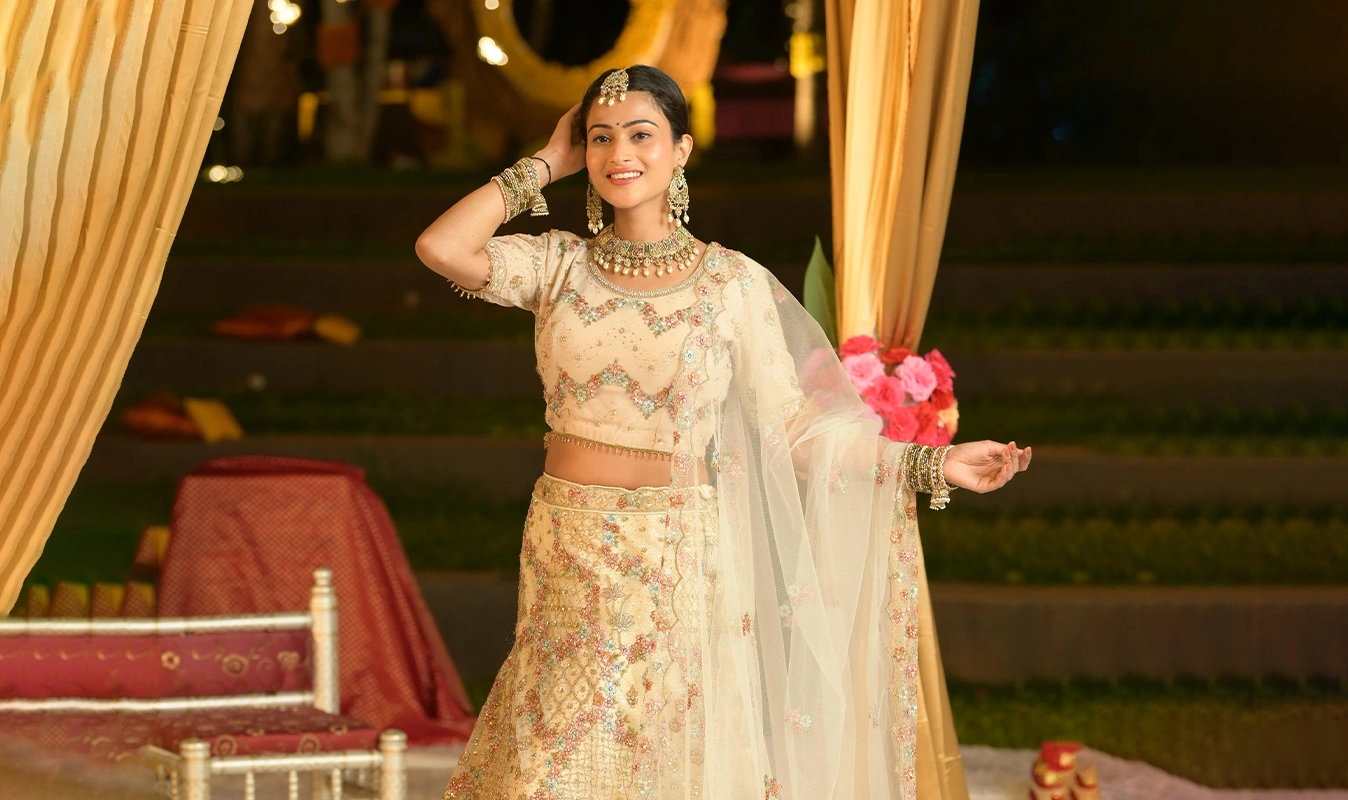
Last week, a bride walked into our studio carrying her grandmother's dupatta, threadbare in places, embroidery faded to almost nothing. "Can you match this pink?" she asked. Not the pink it was forty years ago, but the pink it is now.
That's the kind of request we're getting more often at Sonam Label regarding bridal lehenga for wedding. Brides want pieces that mean something, that connect to their families, that they'll actually feel like themselves in.
Walk through any mandap this season, and you'll see the shift: fewer brides struggling with twenty kilos of fabric, more women actually dancing at their own sangeet. The change isn't about trends. It's about common sense catching up to tradition.
Comfort Isn't Compromise Anymore
Remember when a "designer bridal lehenga" automatically meant "needs three people to help you sit down"? That's changing.
Corset blouses are popular now, but not the torture device kind. These are structured pieces that support you through a ten-hour wedding day. One bride told us she forgot she was wearing hers by the reception—exactly the point.
The development matters: Good boning, fabrics with structure but not stiff, skirts that photograph well but don't weigh you down. We made a bridal lehenga for wedding ceremonies last month, including a silk bodice, an organza skirt, which looked substantial, but the bride danced until 2 AM without changing.
Search queries for structured, lightweight bridal pieces jumped 83% this year. Brides are asking the right questions, refusing to suffer for tradition.
Pastels Are Everywhere (And That's Fine)
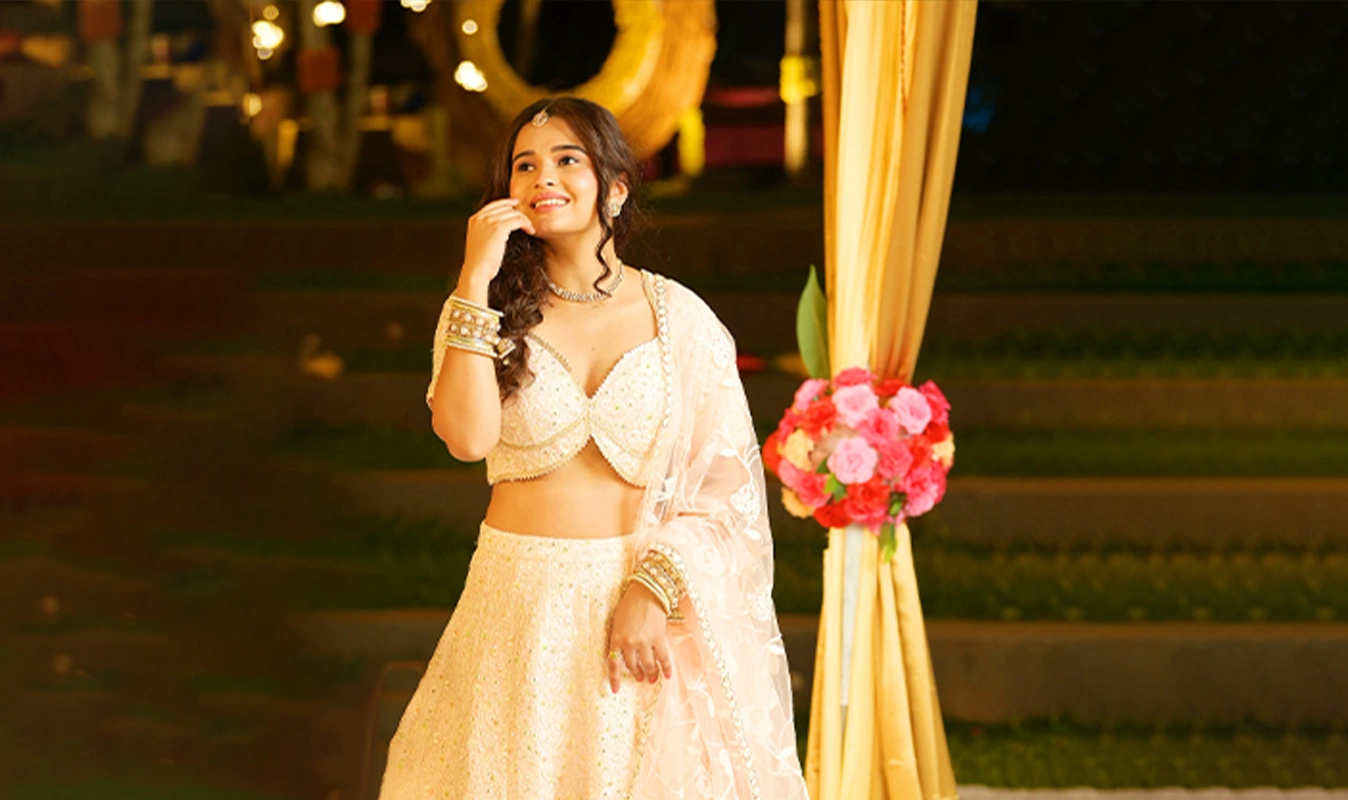
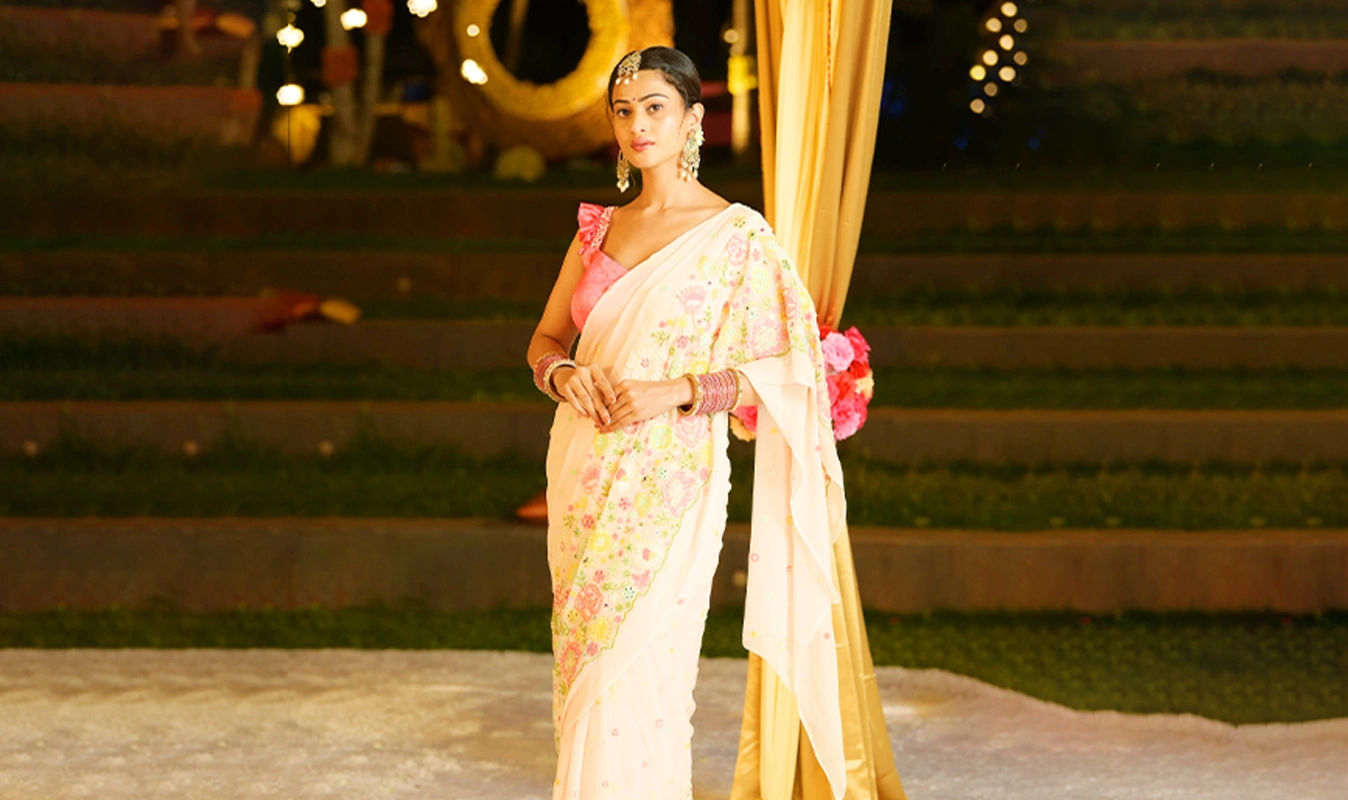
Red isn't going anywhere. But show up to ten weddings this season, you'd see three or four brides in blush, champagne, or dusty rose. Pastel lehengas increased 62% for receptions, with plenty of brides wearing them for ceremonies too.
Why it works: Pastels photograph beautifully in natural light. They suit different skin tones without fighting against them. And they feel more personal than defaulting to red-for-luck.
That bride with her grandmother's dupatta? We matched that faded pink exactly. Hand-dyed the fabric in small batches, then did tone-on-tone embroidery so subtle you'd have to stand right next to her to notice. Her wedding photos look timeless, not trendy. That's what good designer bridal lehengas should do.
Pastels are actually harder to get right than saturated colors. The dye has to be perfect. The embroidery needs to add dimension without overpowering. You can't hide mistakes under heavy decoration.
One Dupatta, Done Right
The multiple-dupatta situation has gotten out of hand. Three draped differently, pins everywhere, constantly readjusting.
This season, brides choose one really good dupatta instead of three mediocre ones. Cathedral veils are popular. So are sheer pieces with minimal crystal work. Some go for cape-style overlays that they can remove after the ceremony.
We make dupattas that work three ways: same piece, different draping. Style it one way for the ceremony, another for the photos, another for the reception.
Ombré Actually Makes Sense
Gradient dyes like blush fading into gold, ivory into burgundy, look different depending on the light. Morning photos, golden hour shots, and evening portraits all show different aspects of the same lehenga.
Hand-dyeing is key here. Digital printing gives you the visual, but doesn't have the same depth. Light interacts differently with hand-dyed fabric, especially at outdoor weddings.
Ombré photographs well from every angle. The color variation means there's always something interesting in the frame.
Buying Something That Lasts
More brides ask us: "Can I wear this again? Can it be altered?"
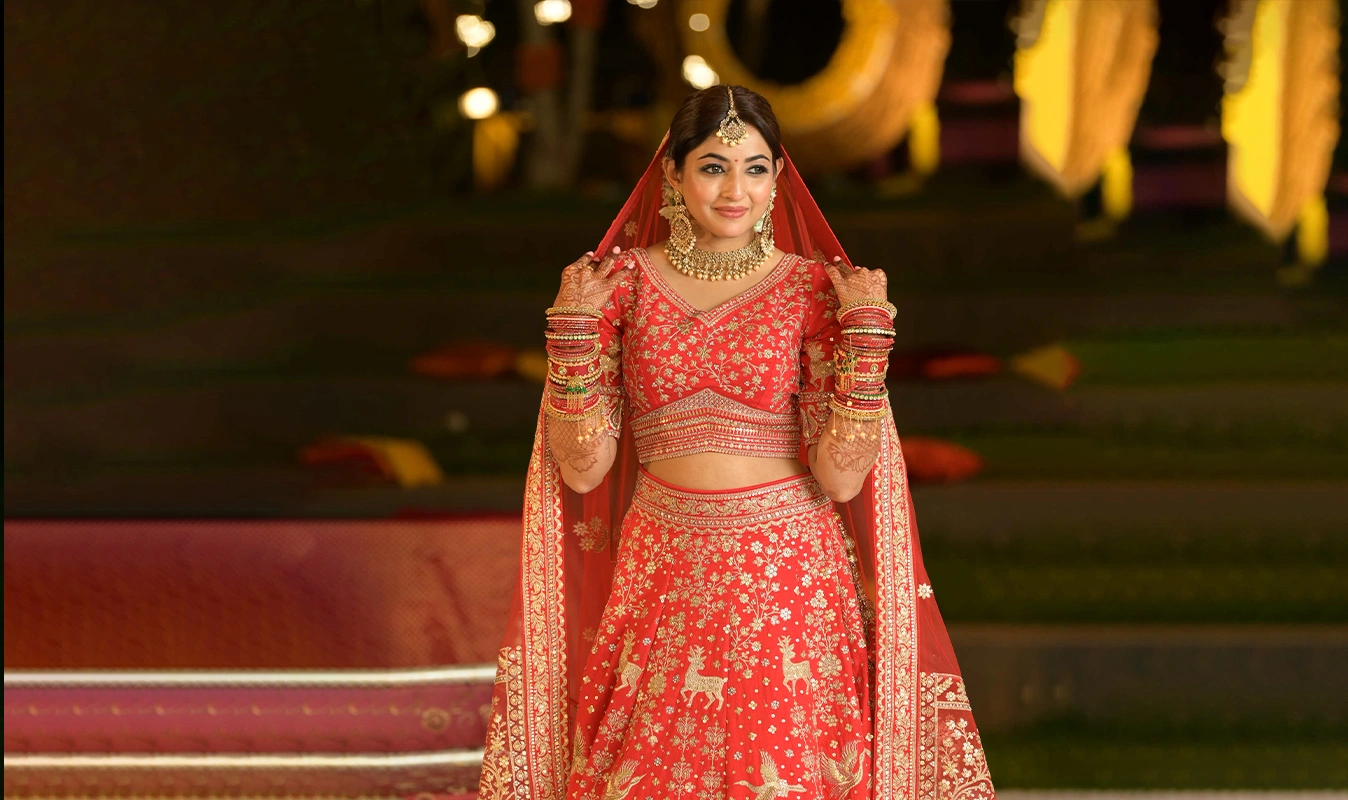
Fair questions. A bridal lehenga for wedding celebrations is expensive. We build pieces with detachable elements, blouses that work with different skirts, and dupattas that pair with other outfits. Hand embroidery holds up better over time and can be repaired if needed.
There's the ethical side too. At Sonam Label we've worked with the same embroidery families for three generations. The quality shows, and it means people making these lehengas are compensated properly.
One bride's eight-year-old daughter keeps trying on her wedding lehenga, planning her own wedding already. That's the lifespan these pieces should have.
What Actually Matters
After fitting hundreds of brides, the happiest ones aren't wearing the trendiest pieces. They're wearing what makes sense for them.
Your best wedding lehengas doesn't need to match what's popular on social media. Maybe that means incorporating your mother's jewelry into the embroidery. Maybe it means choosing a color everyone calls "wrong" because it's what you've imagined since you were twelve. Maybe it just means prioritizing mobility because you won't have fun if you can't move.
Brides with zero regrets? They trusted their instincts.
Why Sonam Label is Your Comfort Zone
Every consultation starts with a vital question: tell us about your wedding. We want to know what excites you, whether it’s family traditions or the love in the air. Your typical day influences our design choices—from how you like your clothes to fit, to whether you run hot or cold, which affects the fabric weight for your bridal lehenga for your wedding. We focus on every detail, like embroidery placement, because while they may go unnoticed by others, you’ll feel every thoughtful choice.
Book a consultation, in person or virtual, and let’s create something truly special together!
Common Questions
1. When do I need to start this process?
Six months minimum, nine is better. Hand embroidery takes time. So do fittings and adjustments.
2. Can I actually wear pastels for the ceremony itself?
Of course. Pastels with good embroidery look just as ceremonial as deep reds. Your wedding, your choice.
3. How do I pick between traditional and modern?
You don't have to pick. Best wedding lehengas blend both. Find a designer who gets this balance.
4. What makes designer pieces worth the money?
Fabric that doesn't fall apart. Hand work machines can't replicate. Fit for your actual body. Design that allows future alterations.